Why Ignoring Niggly Injuries Costs More Than Treatment
Ōrewa Physio for Sports Players!
If you play hockey, rugby, football or any other sport for that matter in Ōrewa or the wider Auckland area, chances are you’ve pushed through a sore knee, tight hamstring or aching shoulder at some point.
A small niggle after training can feel easy to ignore, especially during the season. But for many local athletes, those minor aches often turn into bigger injuries that cost far more time, money and missed games than early treatment ever would.
Small Aches Rarely Stay Small
A niggly injury is your body’s early warning system. It’s telling you something isn’t moving, loading or recovering properly.
When players continue training or playing through pain, common patterns start to appear:
- Movement changes to avoid discomfort
- Other muscles and joints compensate
- Increased strain on already stressed tissues
Over time, what began as a minor issue can develop into:
- Muscle tears
- Tendon injuries
- Joint inflammation
- Ongoing pain that lingers beyond the season
At our Ōrewa physio clinic, we often see athletes who could have resolved their issue early but instead ended up needing longer rehabilitation because the injury was left untreated.
Why This Is Common in Hockey, Rugby and Football Players
Field sports place high demands on the body, especially in fast-paced, competitive environments like local Auckland leagues.
- In hockey, repeated lunging and low body positions often stress the hips, groin and lower back.
- In rugby, contact and collision frequently lead to shoulder, neck and lower limb injuries.
- In football, hamstrings, calves, ankles and Achilles tendons are commonly affected.
Because these sports are so physically demanding, players often accept pain as “normal.” But pain is a signal, not something to ignore.
The Real Cost of Ignoring a Niggle
Ignoring an injury doesn’t just increase physical risk, it often costs more in the long run.
That cost can include:
- Longer recovery times
- More physio appointments later
- Missed games or entire seasons
- Reduced performance and confidence
- Ongoing pain even after returning to sport
By contrast, early physiotherapy in Ōrewa is often:
- Shorter in duration
- More targeted
- Less disruptive to training
- Focused on keeping you playing safely
Why Early Physiotherapy Makes Such a Difference
Early physiotherapy focuses on identifying why the issue is happening, not just where it hurts.
A proper MSK physiotherapy assessment in Ōrewa looks at:
- Movement patterns
- Strength and control
- Training load and recovery
- Previous injuries
- Sport-specific demands
Treatment may include:
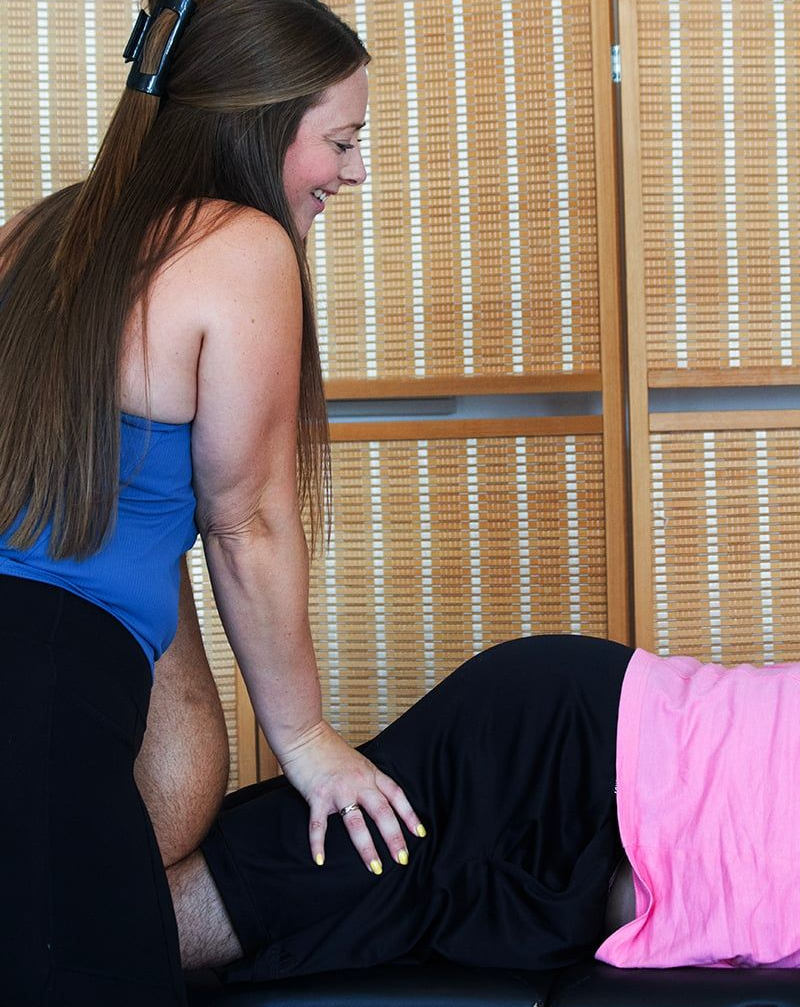
- Hands-on therapy
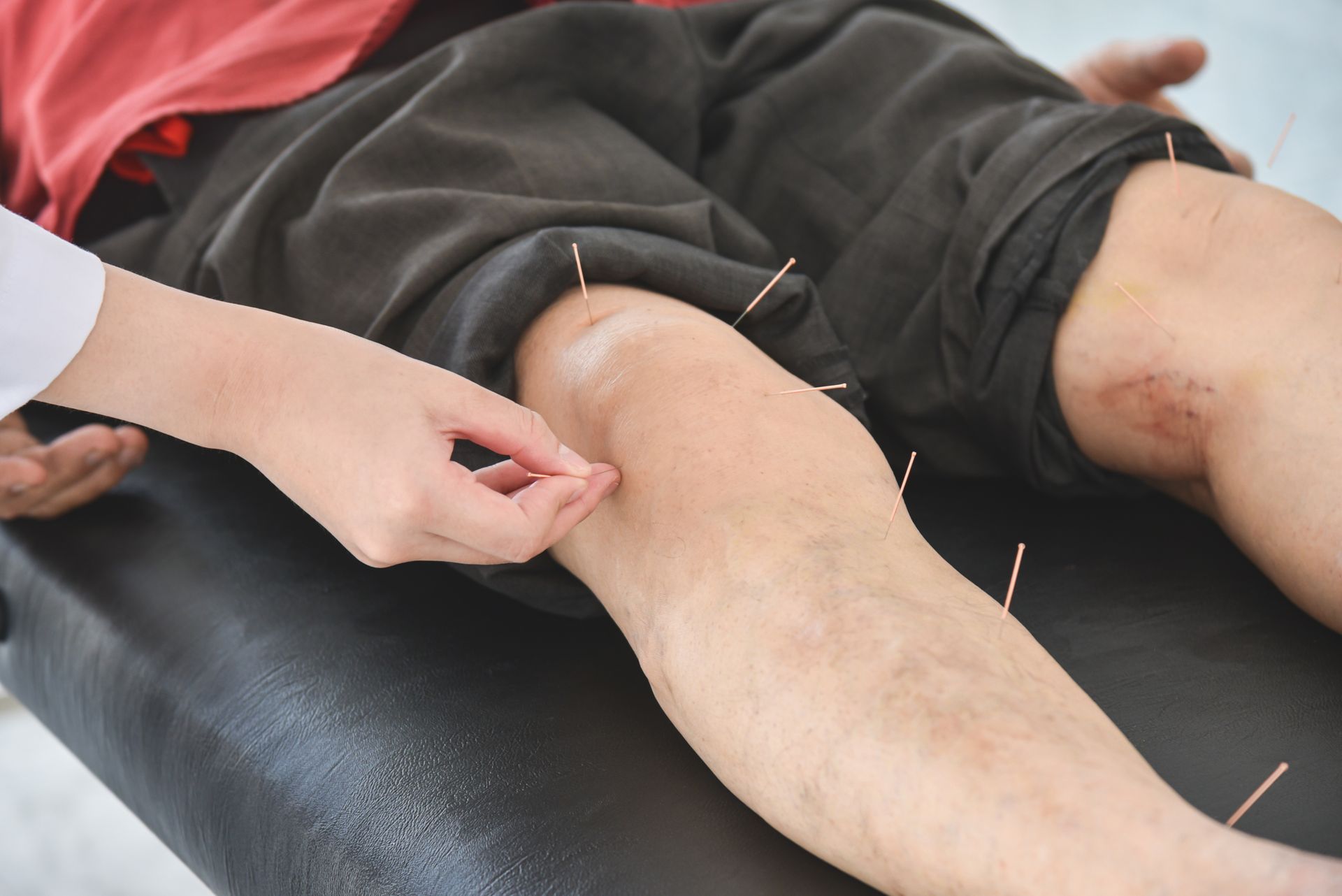
- Acupuncture
- Strength and conditioning exercises
- Load management advice
- Strapping or taping
- Clear guidance on training modifications
The goal is to prevent a small problem from becoming a season-ending injury.
Getting You Back to Sport Sooner
One of the biggest misconceptions about physiotherapy is that it automatically means time off sport.
In reality, early and targeted treatment often allows athletes to:
- Continue training safely
- Return to competition sooner
- Reduce re-injury risk
- Improve performance long-term
Many local Ōrewa and Auckland athletes who seek treatment early return stronger, more confident and better prepared for the demands of their sport.
When Should You Get a Niggle Checked?
If pain:
- Keeps returning
- Worsens after games or training
- Causes stiffness the next day
- Changes how you move or perform
- …it’s time to book a physio assessment.
You don’t need to wait until you’re “injured enough.” Early support makes recovery faster and simpler.
The Bottom Line
Niggles are information - not weakness.
Ignoring them is what usually leads to bigger problems.
If you’re playing hockey, rugby or football in Ōrewa or Auckland and something doesn’t feel right, early physiotherapy can save you time, money and time on the side-lines and help keep you in the game longer!