Shakeout

Physio Unlimited • October 14, 2025

Join ShakeOut 2025: Practice Earthquake & Tsunami Safety on 16 October

Earthquakes and tsunamis can strike without warning, but we can prepare. That’s why New Zealand’s national drill ShakeOut 2025 invites everyone, schools, businesses, households, and neighbourhoods to take part in a simple yet powerful exercise to build resilience and confidence. Get Ready


On Thursday 16 October at 9:30 am, participants across the country will practice Drop, Cover, and Hold for 60 seconds and if in an evacuation zone, follow up with the appropriate tsunami evacuation.


What is ShakeOut?

ShakeOut is New Zealand’s official earthquake drill and tsunami evacuation exercise, coordinated by the National Emergency Management Agency in collaboration with the Natural Hazards Commission.

It’s a self-run drill you choose how to participate in your context (home, school, workplace, or community). All you need is to commit to the 60‑second Drop, Cover, Hold, and then, if relevant, practice your evacuation route. Get Ready

You can sign up, download posters, fact sheets, and share ShakeOut with your networks to encourage wider participation. Get Ready


Why Participate?

  • Build muscle memory when an earthquake strikes, you won’t have to think, you’ll act.
  • Raise awareness by doing this publically, you encourage others to prepare too.
  • Test your plans find weaknesses in your evacuation routes, gathering points, or household readiness.
  • Sense of community when many people participate, it fosters a collective readiness mind-set.

Already, over 615,000 participants are registered nationwide for 2025. Get Ready


How to Take Part

  1. Sign up for ShakeOut 2025 on the official Get Ready site. Get Ready
  2. Plan your drill decide when/where to simulate the event (e.g. in class, at work, at home).
  3. At 9:30 am on 16 October, everyone drops, covers, and holds for 60 seconds. If you’re in a tsunami zone, follow your evacuation hīkoi. Get Ready
  4. Debrief & improve talk through how it went, identify gaps, and adjust your emergency plan.
  5. Share your experience, photos, and lessons to motivate others. Use the resources (posters, fact sheets) on the Get Ready ShakeOut page. Get Ready


Tips for Success

  • Practice the drill in realistic settings: classrooms, living rooms, workplaces.
  • Discuss roles in your household who checks doors, who leads evacuation, where your safe gathering point is.
  • Consider accessibility, ensure people with mobility or sensory impairments are included in planning.
  • Repeat the drill (quarterly or semi‑annually) so the response becomes second nature.


Call to Action

Mark your calendar for 16 October, 9:30 am. Register now at getready.govt.nz/involved/shakeout and commit to performing Drop, Cover, Hold and if needed, your tsunami evacuation with your family, colleagues, and community. Together, we can make New Zealand safer and more prepared.


Let’s make ShakeOut 2025 the biggest, strongest drill ever!

By Nerissa Leach March 20, 2026
Rest alone doesn’t fix most injuries. Learn how guided physiotherapy supports better, faster recovery through targeted movement.  When it comes to recovering from an injury, many people assume that rest is the only solution. While avoiding further strain is important initially, too much rest can actually slow your recovery. Research and clinical experience consistently show that the right movement matters more than complete inactivity.
By Nerissa Leach March 12, 2026
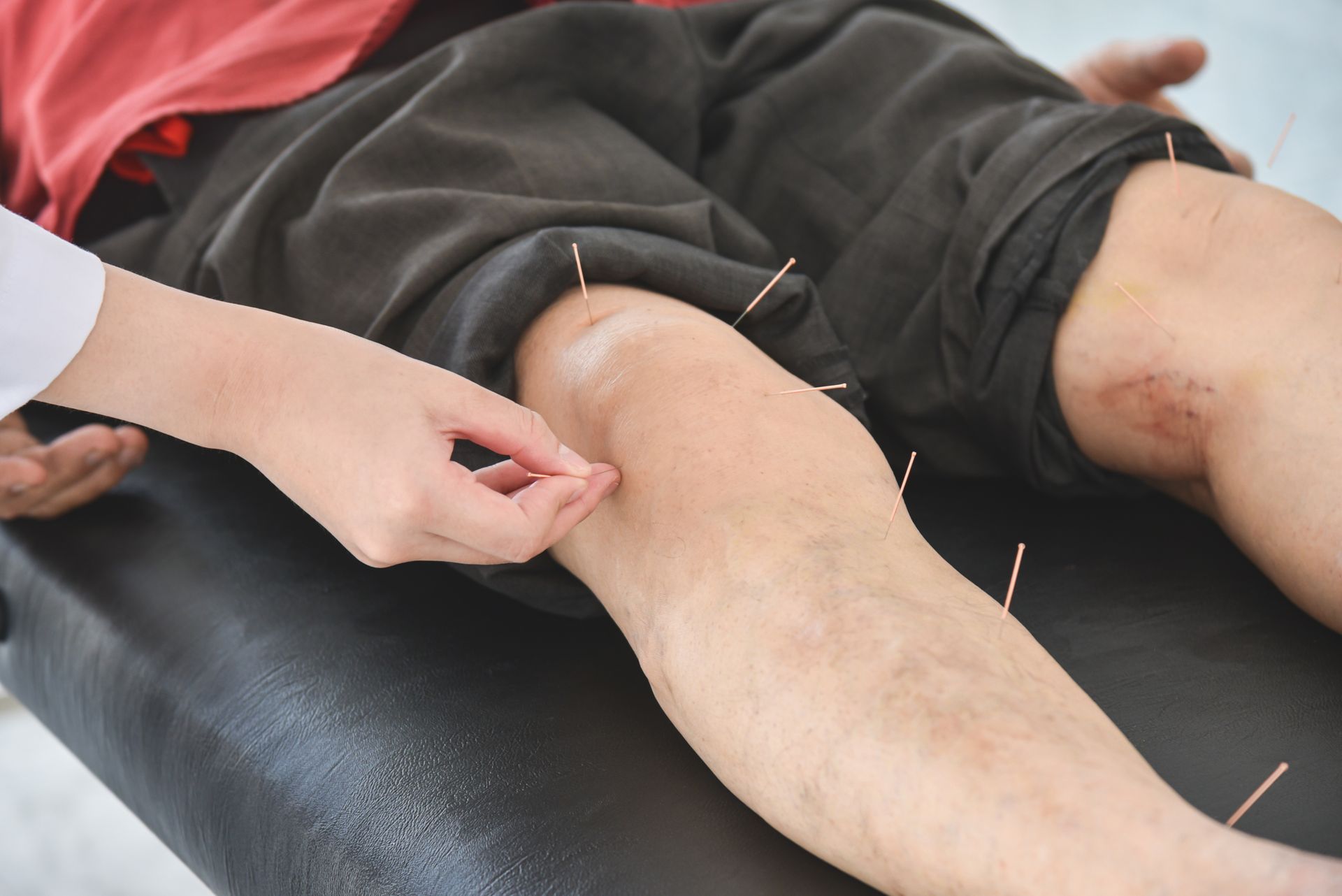
Keeping up with family life often means juggling sports, school activities, work, and the demands of caring for a growing family. Physiotherapy and acupuncture are increasingly used together to support injury prevention, recovery, and long-term wellbeing.
By Nerissa Leach March 7, 2026
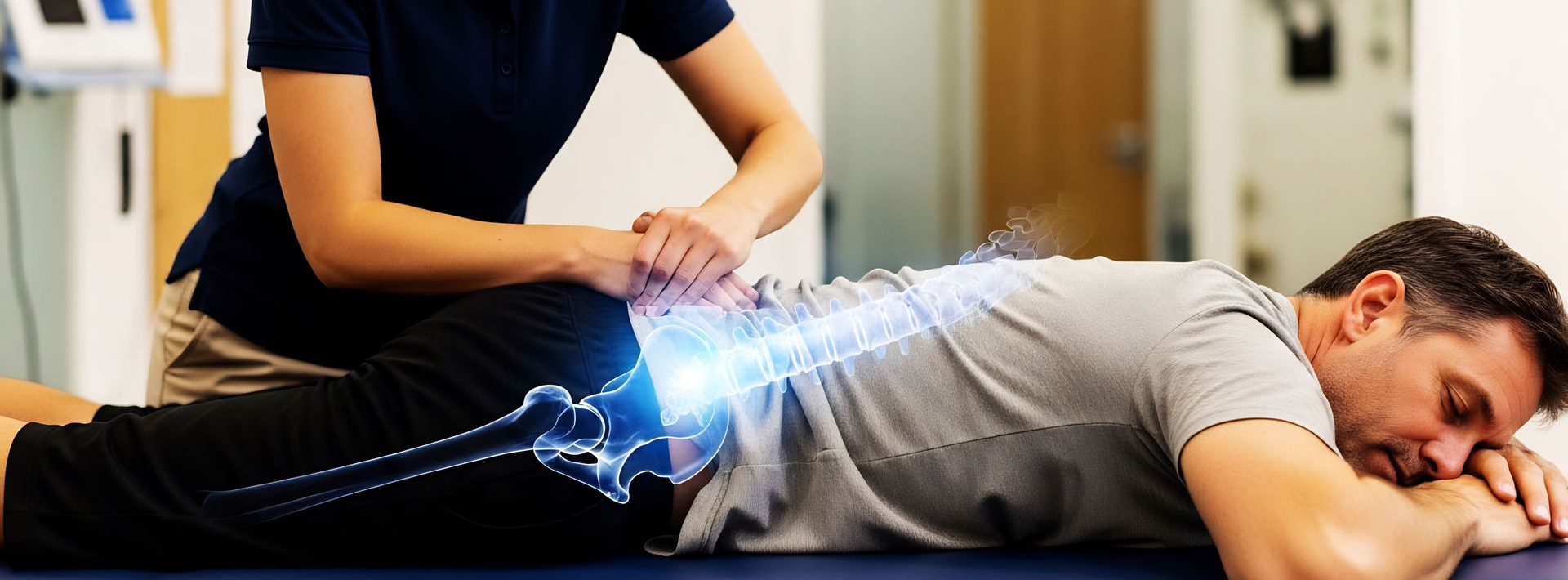
If you’re dealing with persistent back pain, you’re not alone. Back pain is one of the most common reasons people seek physiotherapy - but here’s the surprising truth: the source of your pain is often not just your back. Modern musculoskeletal (MSK) physiotherapy looks at the body as a connected system. Your hips, core strength, posture, and daily movement habits all play a major role in how your back feels. Understanding this bigger picture is the first step toward lasting relief. Why Back Pain Is Often Misunderstood Many people assume back pain means something is “wrong” with their spine. While injuries and disc issues can occur, most ongoing back pain is multifactorial - meaning several contributing factors are involved. Common contributors include: Poor core stability Tight or weak hips Prolonged sitting Repetitive lifting patterns Reduced movement variability Stress and muscle tension An experienced MSK physio in Auckland will assess your whole movement system, not just the painful area. The Core - Back Connection Your core is more than just your abs. It includes deep stabilising muscles that support your spine during everyday activities. When core strength is insufficient: Your back muscles overwork Spinal joints take extra load Movement becomes less efficient Pain sensitivity can increase This is why targeted core training is often a key part of physiotherapy for back pain in New Zealand. Important: More sit-ups are not the answer. Effective rehab focuses on coordination, endurance, and timing , not just brute strength. Don’t Ignore Your Hips Tight or weak hips are one of the most overlooked drivers of back pain. Your hips should absorb and generate force when you: Walk Run Lift Bend Get up from sitting When hip mobility or strength is limited, your lower back often compensates. Over time, this extra workload can trigger pain and stiffness. A physiotherapy assessment typically checks: Hip range of motion Glute strength Pelvic control Movement patterns Addressing these areas often reduces back symptoms faster than treating the back alone. Movement Habits Matter More Than Posture Alone You may have heard “sit up straight” your whole life. While posture plays a role, how often you move is usually more important than holding a perfect position. Research shows that prolonged static positions, even “good posture” can aggravate back pain. Helpful habits include: Changing position regularly Taking movement breaks Varying sitting setups Building general strength Gradually returning to activity Physio for back pain in NZ increasingly focuses on movement confidence and load tolerance , not just posture correction. How Physiotherapy Can Help A personalised physiotherapy approach aims to: 1. Identify the true drivers of your pain - Your physio will assess strength, mobility, control, and daily habits. 2. Reduce pain and sensitivity - Hands-on treatment and guided exercise can calm irritated tissues. 3. Restore strength and movement - Targeted rehab improves how your body shares load. 4. Build long-term resilience - The goal isn’t just short-term relief - it’s preventing recurrence. When Should You See a Physio? Consider booking an MSK physio assessment if: Pain lasts more than 1-2 weeks Symptoms keep returning Pain limits work, sleep, or exercise You feel stiff or vulnerable when moving You want to prevent future flare-ups Early assessment often means faster recovery and fewer setbacks . The Bottom Line Back pain is rarely just about your back. Your core strength, hip function, and everyday movement habits all influence how your spine feels. The good news? With the right physiotherapy approach, most people can significantly improve their pain, movement, and confidence.  If you’re dealing with ongoing back pain, a tailored MSK physio assessment could be the turning point toward long-term relief.
By Nerissa Leach March 3, 2026
A pelvic floor assessment can be scary!
By Nerissa Leach February 26, 2026
When you’re dealing with pain or recovering from injury, treatment works best when it addresses more than just one part of the problem. That’s why many people choose a combined approach using physiotherapy and acupuncture .
By Nerissa Leach February 22, 2026
Many people wait until pain becomes severe before seeing a physiotherapist. By that point, what started as a small issue has often developed into something more complex and harder to treat.
Shoulder injury
By Nerissa Leach February 15, 2026
Ōrewa Physio for Sports Players!
World Stroke Day 29th October
By Physio Unlimited October 28, 2025
Every Minute Counts – How You Can Be a Stroke Spotter October 29 is World Stroke Day a moment when the global community unites to drive awareness, prevention, and action around strokes. In 2025, the World Stroke Organization (WSO) is spotlighting a crucial message: “Know the signs of stroke and be ready to #ActFAST.” Because when it comes to strokes, time lost truly is brain lost.
By Physio Unlimited October 19, 2025
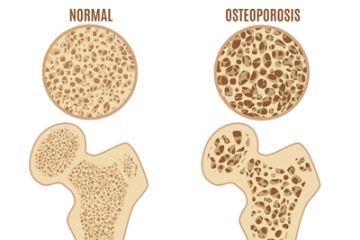
“It’s Unacceptable: Why Bone Health Deserves Our Attention This World Osteoporosis Day”
By Physio Unlimited October 19, 2025
Purple Across Aotearoa: Recognising PoTS Awareness Day on 25th October Each year on 25th October , people around the world mark PoTS Awareness Day , spotlighting Postural Orthostatic Tachycardia Syndrome (PoTS). In New Zealand, awareness is still growing, and so this date is a chance for us to unite, raise visibility, and advocate for better support, diagnosis and understanding here at home.